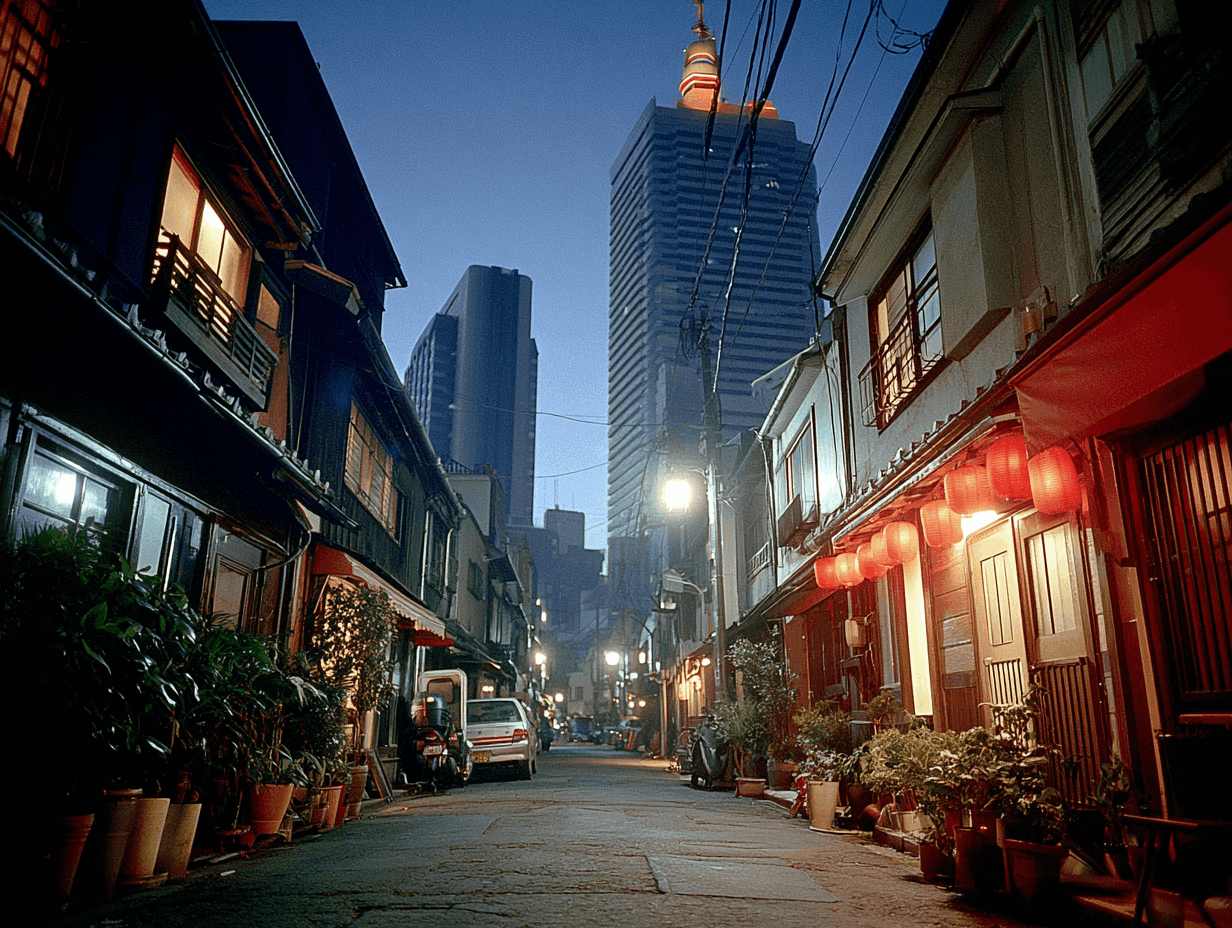
Tokyo hits different when you stop trying to see everything at once. This guide keeps it tight and practical so you dont waste time or energy in one of the worlds busiest cities.
24-hour plan
Start your morning in Asakusa. Walk around Senso-ji temple early before the big crowds show up, grab a quick breakfast nearby, maybe some fresh taiyaki. In the afternoon head to Shibuya and just soak in the energy around the crossing and the streets nearby. Evening is for Shinjuku, find a small izakaya, try some grilled skewers and cold beer. Finish with a short night walk through the glowing streets, its the best way to feel the city pulse without running around like crazy.
48-hour plan
On the second day go deeper. Morning in Harajuku, wander through Meiji Shrine and the quieter back streets. Afternoon explore Akihabara if you like electronics and pop culture or just walk around the Imperial Palace area for some calm green space. For dinner try tonkotsu ramen or fresh sushi depending on your mood. One signature spot you shouldnt miss is Tokyo Skytree at dusk, the view really puts the whole crazy city into perspective. Mix train rides and walking, thats how you get the real rhythm.
3-day essentials
Three days is actually perfect for Tokyo. Day one focus on traditional side, Asakusa and nearby neighborhoods. Day two modern and pop culture, Shibuya, Harajuku, Shinjuku. Day three you can do a mix of teamLab Planets or a museum plus some shopping or just slow down in a park. Dont try to chase every temple, better to enjoy few places properly. Leave some time for random street wandering, thats where the best moments usually happen.
5 must-see spots
- Senso-ji Temple in Asakusa, especially early morning
- Shibuya Crossing at any time, pure Tokyo chaos
- Meiji Shrine and the forest around it
- Tokyo Skytree for the big view
- Shinjuku Gyoen National Garden when you need to breathe
These spots give you both the classic and the modern face of the city without tourist trap feeling.
Cultural quick notes
Bow slightly when greeting someone, especially in shops or restaurants. Its normal to slurp your noodles loudly, they actually appreciate it. Dont eat while walking, find a spot to stand or sit. Trains are super quiet, no phone calls and keep music in your headphones. Take off your shoes when entering homes or certain traditional places. People here are polite but appreciate when you try to keep things orderly.
Budget snapshot
A simple meal like ramen or donburi usually costs around 800-1200 yen. Train tickets add up fast so get a Suica or Pasmo card right away, it makes everything easier. Capsule hotels or small business hotels can be found for 4000-7000 yen per night in good areas. One good saving tip, convenience stores have surprisingly decent food and you can heat it up there for cheap. Eat where locals eat and avoid places right next to big stations.
Tokyo can feel overwhelming at first but once you slow down and follow this kind of structure it becomes much more manageable. The city rewards those who dont rush too much. Enjoy it at your own pace.